



Canberra New Landfill Gas to Energy Plant
Project Overview
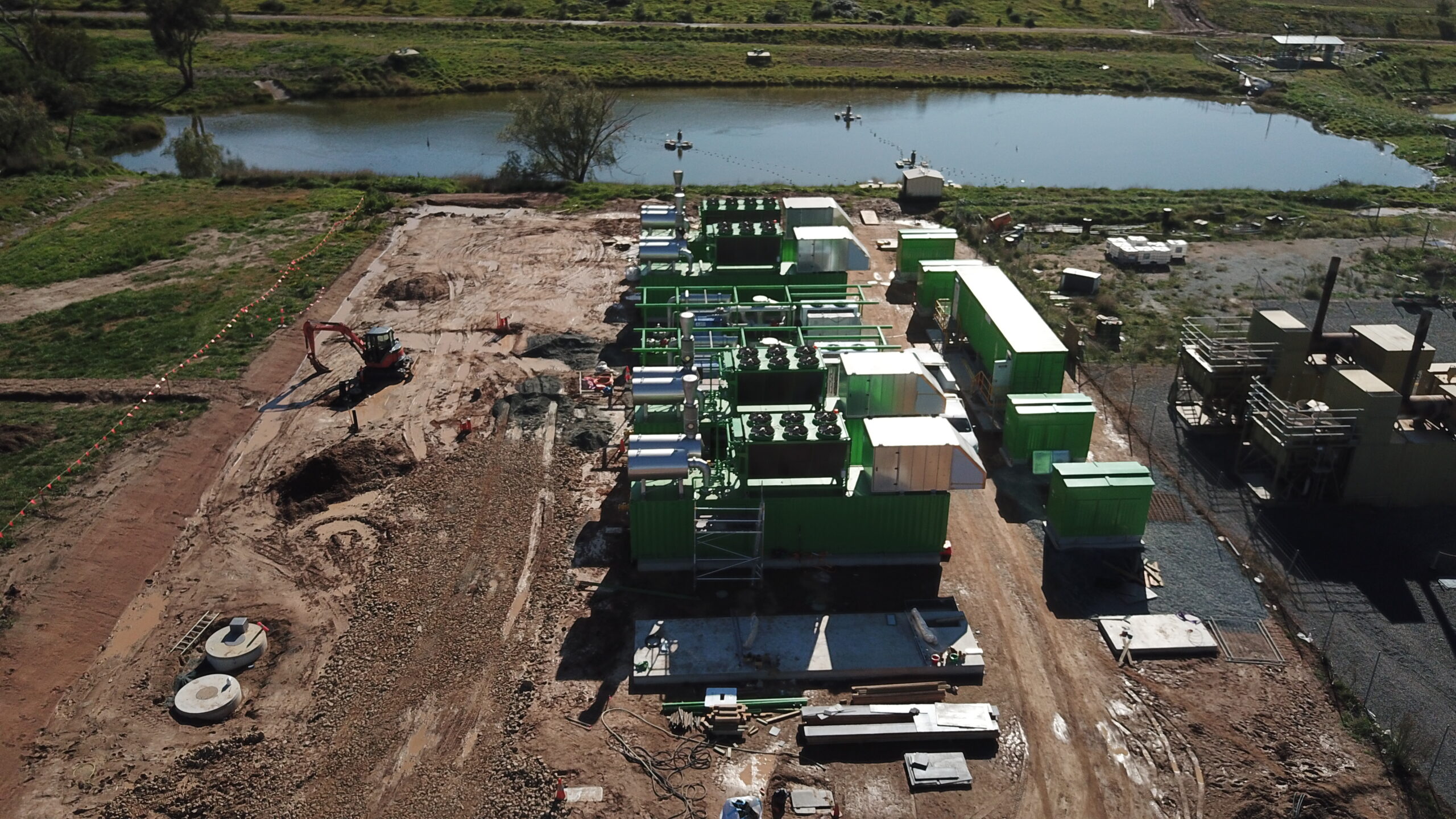
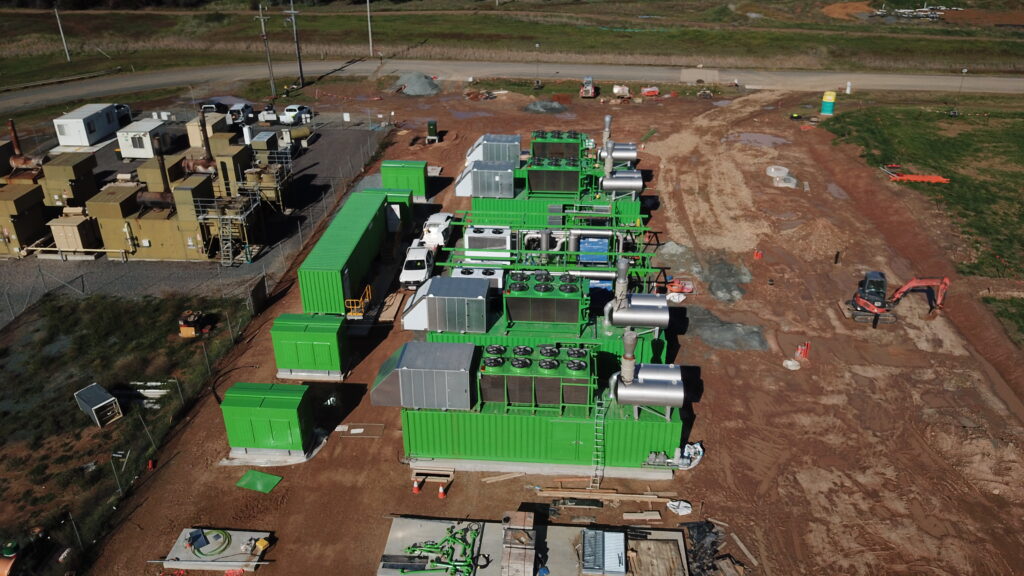
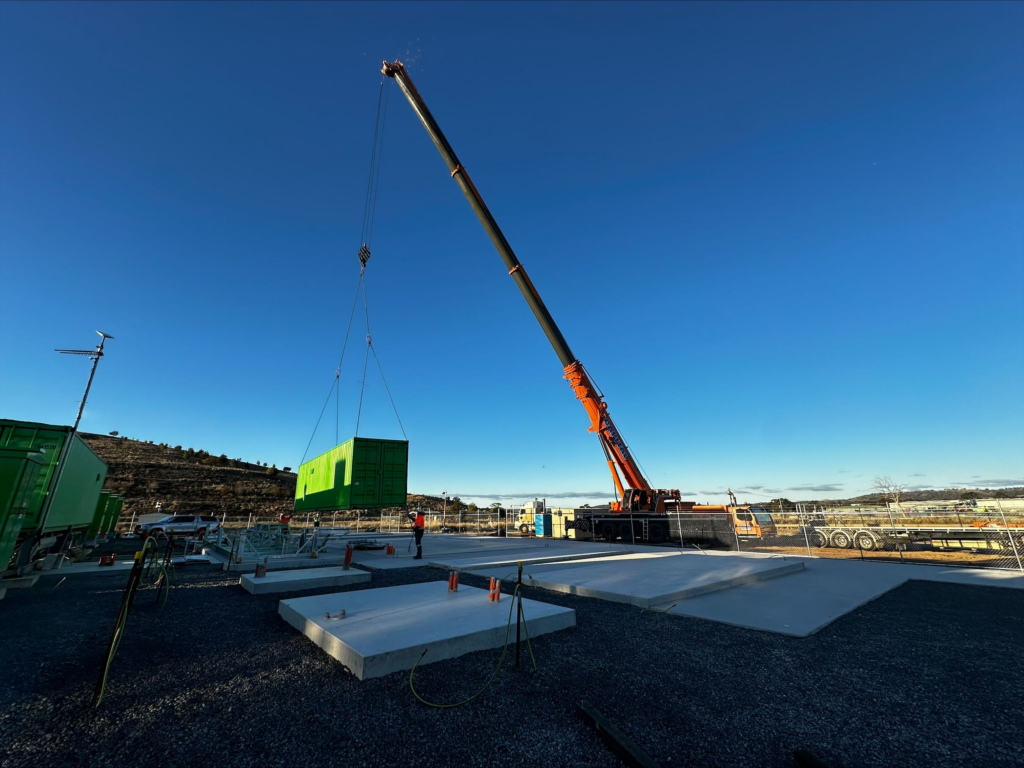
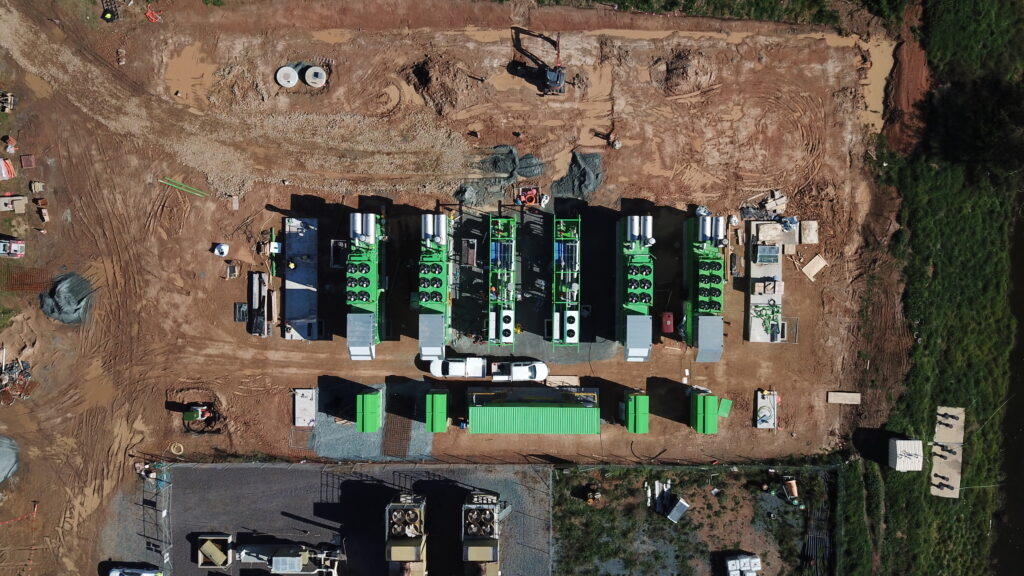
Landfill Gas Industries (LGI) specialises in converting landfill gas into clean energy, delivering gas extraction, flaring, monitoring and power generation solutions for landfill owners and operators across Australia. CV was engaged to deliver the electrical infrastructure for a new 4.2 MW landfill gas-to-energy plant at Mugga Lane including a prefabricated substation constructed and fitted out in Brisbane before being transported to Canberra for reassembly, site testing, HV switching and commissioning. The completed facility captures landfill gas and converts it into renewable electricity through four power generators, with capacity to produce approximately 34,900 MWh of energy annually, power more than 5,700 homes and reduce landfill-related greenhouse gas emissions by approximately 120,000 tonnes each year.
- Industry Energy & Power
- Client Landfill Gas Industries (LGI)
- Location Mugga Lane, ACT


Scope of Works
CV delivered an integrated design, construction, testing and commissioning package encompassing civil, primary and secondary electrical infrastructure. The project combined off-site prefabrication with specialist HV installation, testing and commissioning to support the successful connection of the new generation facility to the distribution network.
Key deliverables:
- Civil, electrical primary and secondary design, including earth grid, oil containment, HV layouts, earthing, lightning protection, protection systems, automation and site communications.
- Site Acceptance Testing (SAT), including HV primary injection and integration testing with connected HV plant and secondary systems.
- Network switching and final commissioning to facilitate connection to the supply authority’s overhead distribution network.
Outcomes & Impact
The CV Difference
CV’s ability to combine specialist electrical engineering expertise with off-site prefabrication and complex HV delivery provided an efficient solution for this significant renewable energy project. The successful delivery demonstrates CV’s capability to manage technically demanding infrastructure projects while maintaining a strong focus on quality, integration and reliable project outcomes.